ADU vs. New Construction: Which Makes More Sense for Your Lot in the East Bay?
If you own property in Berkeley or the East Bay, you've probably noticed the buzz around ADUs — Accessory Dwelling Units. Garage conversions, backyard cottages, basement apartments. They're everywhere right now, and for good reason. But is an ADU the right move for your property, or does a full new build make more sense? This guide breaks down the key differences so you can make a confident decision.
What Is an ADU?
An ADU is a secondary dwelling unit on a residential lot — either attached to the main home, detached in the backyard, or converted from an existing structure like a garage or basement. In California, state law has made it significantly easier and faster to permit ADUs in recent years, which is one of the main reasons they've become so popular across the East Bay.
ADUs come in a few common forms:
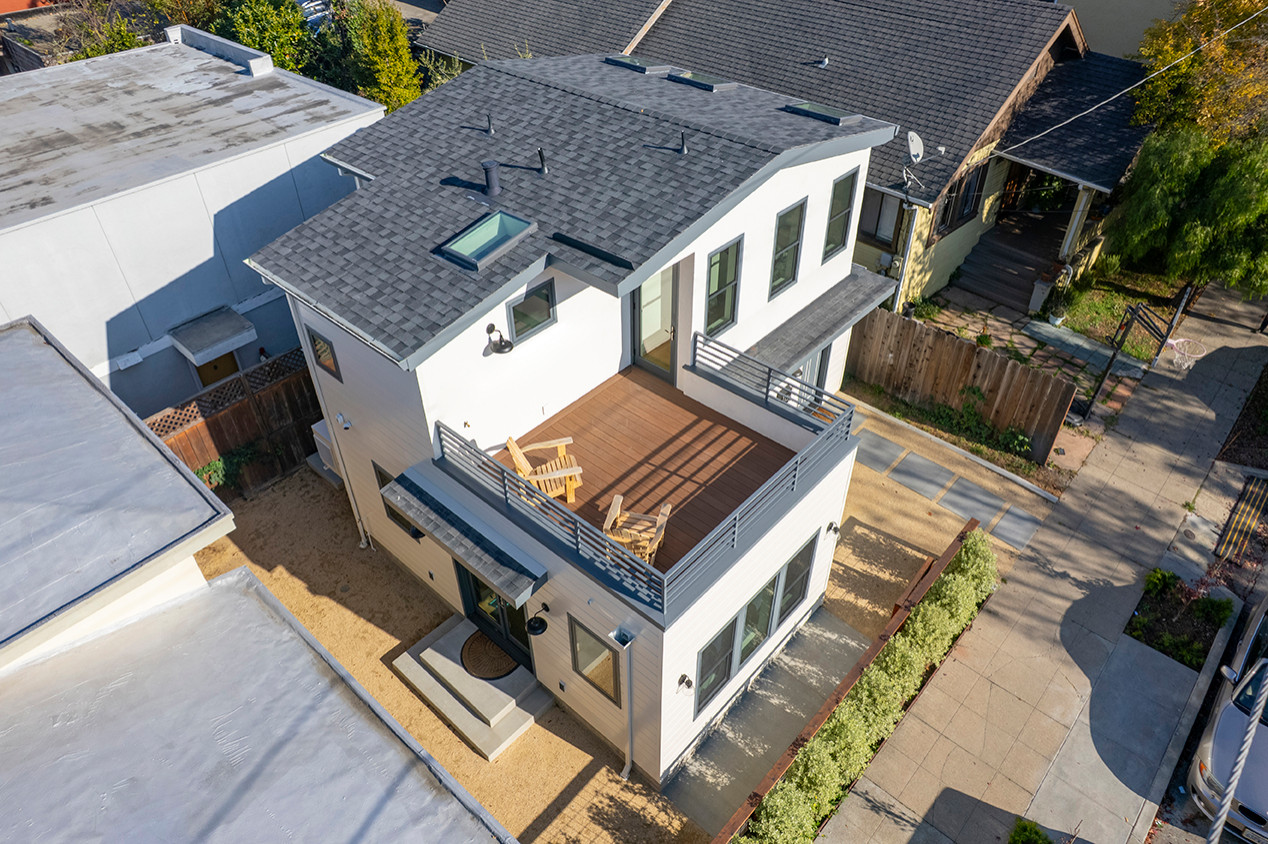
Detached ADU: A fully separate structure built in the backyard. Most flexible in terms of design and privacy.
Attached ADU: An addition to the existing home with its own entrance, kitchen, and bathroom.
Garage conversion: An existing attached or detached garage converted into living space. Often the most cost-effective option.
Junior ADU (JADU): A smaller unit carved out of existing interior space, typically under 500 square feet.
The Case for an ADU
For many East Bay homeowners, an ADU is the smarter financial move. Here's why:
Lower overall cost. Because you're often working with an existing structure or a smaller footprint, ADUs typically cost less than full new construction. Garage conversions in particular can come in at the lower end of the cost range.
Faster permitting. California's ADU-friendly legislation has significantly streamlined the permit process compared to new construction. In many cases, ADU permits can be approved in weeks rather than months.
Rental income potential. A well-designed ADU in Berkeley or Oakland can generate $2,000–$3,500 per month in rental income, which can offset your mortgage or construction loan payments significantly over time.
Multigenerational living. ADUs are a practical solution for aging parents, adult children, or extended family who want proximity without sharing a front door.
Added property value. A permitted, well-built ADU adds meaningful resale value to your property — and in the East Bay market, it's a strong selling point.
The Case for New Construction
A full new build makes more sense in certain situations:
You have a vacant lot. If you're starting from bare land, new construction is your only option and gives you complete design freedom from the ground up.
You need significant square footage. ADUs in California are capped at 1,200 square feet for detached units. If your program requires more space than that, new construction gives you the flexibility to build what you actually need.
You want a primary residence. ADUs are secondary units by definition. If you're building a main home — whether to live in or sell — new construction is the path.
Your existing structures aren't worth converting. Sometimes a garage or outbuilding is in poor enough condition that conversion costs approach or exceed new construction costs. A good contractor will help you evaluate this honestly.
Cost Comparison: ADU vs. New Build in the East Bay
Here's a general comparison based on current 2025 East Bay market conditions:
Garage conversion ADU: $150,000–$250,000 total project cost
Detached ADU (new structure): $250,000–$500,000+ depending on size and finishes
New home construction: $350–$700+ per square foot, meaning a 2,000 sq ft home runs $700,000–$1.4M+ before soft costs
These are starting points — your actual costs depend heavily on site conditions, design complexity, and finish selections.
Zoning and Lot Considerations
Before you commit to either path, your lot's zoning and physical characteristics matter a lot. Key questions to answer early:
Is your lot in a WUI fire zone? This affects both ADUs and new construction but adds more complexity to new builds.
What are your setback requirements? ADUs have specific setback rules that vary by city and lot configuration.
Is your lot on a hillside? Slope and soil conditions affect foundation costs significantly for both project types.
Are there existing structures worth keeping or converting?
Berkeley, Oakland, and other East Bay cities each have their own specific ADU ordinances that go beyond state minimums. Working with a local contractor and architect who know these rules saves time and prevents costly redesigns.
Which One Is Right for You?
Here's a simple way to think about it:
Choose an ADU if you already own your home and want to add rental income, house a family member, or increase property value without the complexity and cost of full new construction.
Choose new construction if you're building a primary residence, working with a vacant lot, or need more than 1,200 square feet of new living space.
In some cases the answer is both — we've worked with clients who built a new primary home on a lot and simultaneously permitted an ADU for rental income from day one.
Frequently Asked Questions
Can I build an ADU if I have a mortgage on my property?
Yes. Your existing mortgage doesn't prevent you from building an ADU. Many homeowners finance ADU construction through a home equity line of credit, construction loan, or cash-out refinance.
Do ADUs require their own utility connections?
Detached ADUs typically require separate utility connections, which adds to the cost. Attached ADUs and garage conversions can sometimes share connections with the main home depending on local utility rules.
Can I rent out my ADU on Airbnb?
Short-term rental rules vary by city. Berkeley has specific regulations around short-term rentals — check current city rules before counting on short-term rental income in your financial projections.
Will an ADU affect my property taxes?
In California, only the value of the new construction is reassessed — your existing home's assessed value stays the same. So your property tax increase is proportional to the ADU's added value, not your entire property.
Not Sure Which Direction Makes Sense for Your Property?
This is exactly the kind of question we love helping homeowners work through early — before architects are hired and plans are drawn. A preliminary consultation with our team can help you understand what your specific lot, budget, and goals point toward.
Contact us to schedule a consultation: info@cabearconstruction.com | (510) 213-8277