What a Realistic Home Renovation Timeline Looks Like
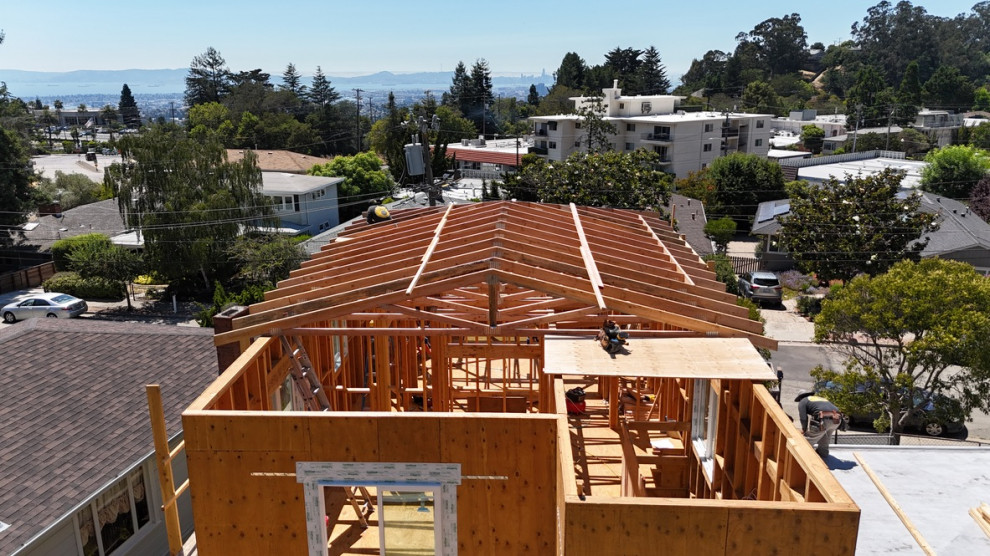
One of the most common frustrations homeowners experience during a renovation isn't the dust or the noise — it's the surprise. Things take longer than expected, and nobody told them why. This guide is our attempt to fix that. Here's an honest, realistic look at what a home renovation timeline actually looks like in Berkeley and the East Bay, from the first conversation to the final walk-through.
Why Timelines in the Bay Area Run Longer Than You Expect
Before we get into the numbers, it's worth understanding why renovation timelines in this region tend to run longer than national averages. Berkeley's permitting process is among the most thorough in California. Skilled labor is in high demand across the East Bay. Custom materials and finishes often have long lead times. And hillside or historic properties add layers of review that flat, straightforward lots don't face.
None of this means your project will be slow — it means planning ahead makes an enormous difference. The homeowners who are least stressed during renovations are almost always the ones who understood the timeline before they started.
Phase 1 — Planning and Design: 1–4 Months
Everything starts here. Before a permit is filed or a contractor is hired, you need a clear plan. This phase includes hiring an architect or designer, developing schematic designs, refining plans based on your feedback, and producing construction documents ready for permit submittal.
For a straightforward kitchen remodel or bathroom addition, this phase might take 4–6 weeks. For a full home addition or new build, plan for 3–4 months of design work minimum. Rushing this phase is one of the most expensive mistakes homeowners make — changes made on paper cost almost nothing, while changes made during construction can cost thousands.
Phase 2 — Permitting: 4 Weeks to 12 Months
This is the phase that surprises people most. In Berkeley and much of the East Bay, permitting is not a quick formality — it is a significant part of your overall project timeline.
Here's a general breakdown by project type:
Simple remodel with no structural changes: over-the-counter permit, often approved same day or within a few weeks.
Kitchen or bathroom remodel with plumbing and electrical changes: 4–8 weeks for plan check.
Addition or ADU: 2–6 months for standard plan check review.
New construction or projects requiring Design Review Board or Zoning Adjustments Board approval: 6–12 months or longer.
WUI zone projects, hillside lots, and historic district properties can push these timelines further. The single best thing you can do to protect your permitting timeline is to submit complete, accurate plans the first time — incomplete submittals go to the back of the line.
Phase 3 — Pre-Construction: 2–6 Weeks
Once your permit is approved, there's still a preparation phase before work begins on site. Your contractor finalizes subcontractor schedules, orders long-lead materials, arranges temporary utilities or storage if needed, and posts the permit at the job site. This phase is shorter for simpler projects and longer for complex ones where specialty subcontractors and custom materials need to be lined up carefully.
This is also a good time to finalize any selections you haven't locked in yet — tile, fixtures, cabinetry, hardware. Waiting until construction has started to make these decisions is one of the most common causes of delays mid-project.
Phase 4 — Construction: 2 Months to 18+ Months
This is the phase everyone thinks about when they imagine a renovation. Here's a realistic range by project type:
- Bathroom remodel: 4–8 weeks
- Kitchen remodel: 6–12 weeks
- Full home addition (under 500 sq ft): 4–6 months
- ADU or garage conversion: 4–8 months
- New home construction: 10–18 months
These ranges assume a well-planned project with permits in hand and materials ordered in advance. Delays during construction most commonly come from late material deliveries, changes to the scope of work mid-project, subcontractor scheduling conflicts, and inspection wait times. A good general contractor actively manages all of these and communicates with you when something shifts.
Phase 5 — Inspections and Punch List: 2–6 Weeks
As construction wraps up, city inspections and the punch list process take place. Inspections happen at key milestones throughout construction — not just at the end — but the final inspection and certificate of completion or occupancy is what officially closes the permit.
The punch list is the list of small items that need to be finished, touched up, or corrected before the project is truly complete. Paint touch-ups, hardware adjustments, minor fixture fixes. A thorough punch list process is a sign of a contractor who takes quality seriously — not a sign that something went wrong.
A Realistic Total Timeline by Project Type
Here's how the phases add up from first conversation to move-in:
- Bathroom remodel: 3–6 months total (mostly permitting and design upfront, 4–8 weeks of construction)
- Kitchen remodel: 4–8 months total
- Home addition: 8–14 months total
- ADU or garage conversion: 8–14 months total
- New home construction: 18–30 months total
If these numbers are longer than you expected, you're not alone. Most homeowners come in expecting half this time. The ones who plan around realistic timelines end up far less stressed — and far less likely to make rushed decisions that cost money later.
How to Protect Your Timeline
A few things you can do as a homeowner to keep your project moving:
Make decisions early and stick to them. Selection changes mid-construction are one of the top causes of delays and cost overruns.
Respond quickly to contractor questions and requests. Slow approvals from the owner side ripple through the schedule.
Trust the permit process. Trying to start work before permits are issued creates far bigger problems than waiting.
Work with a contractor who gives you a detailed schedule upfront and updates it regularly throughout the project.
Frequently Asked Questions
What's the most common reason renovations go over schedule?
In our experience, the two biggest culprits are scope changes mid-project and materials that weren't ordered early enough. Both are preventable with good upfront planning.
Should I move out during a renovation?
It depends on the scope. For a full home renovation or anything that affects your kitchen, main bathroom, or HVAC system for an extended period, moving out temporarily usually makes the project go faster and reduces stress significantly. For smaller scoped projects, most families manage in place.
How do I know if my contractor's timeline is realistic?
Ask them to show you a construction schedule broken down by phase and trade. A contractor who can't produce a detailed schedule before work begins is a contractor who isn't planning carefully enough.
Planning a Renovation in the East Bay?
The earlier you start the conversation, the better your timeline will be. We offer pre-construction consultations where we walk you through a realistic schedule for your specific project — before you've committed to anything.
Contact us to schedule a consultation: info@cabearconstruction.com | (510) 213-8277